The World at War
Overview
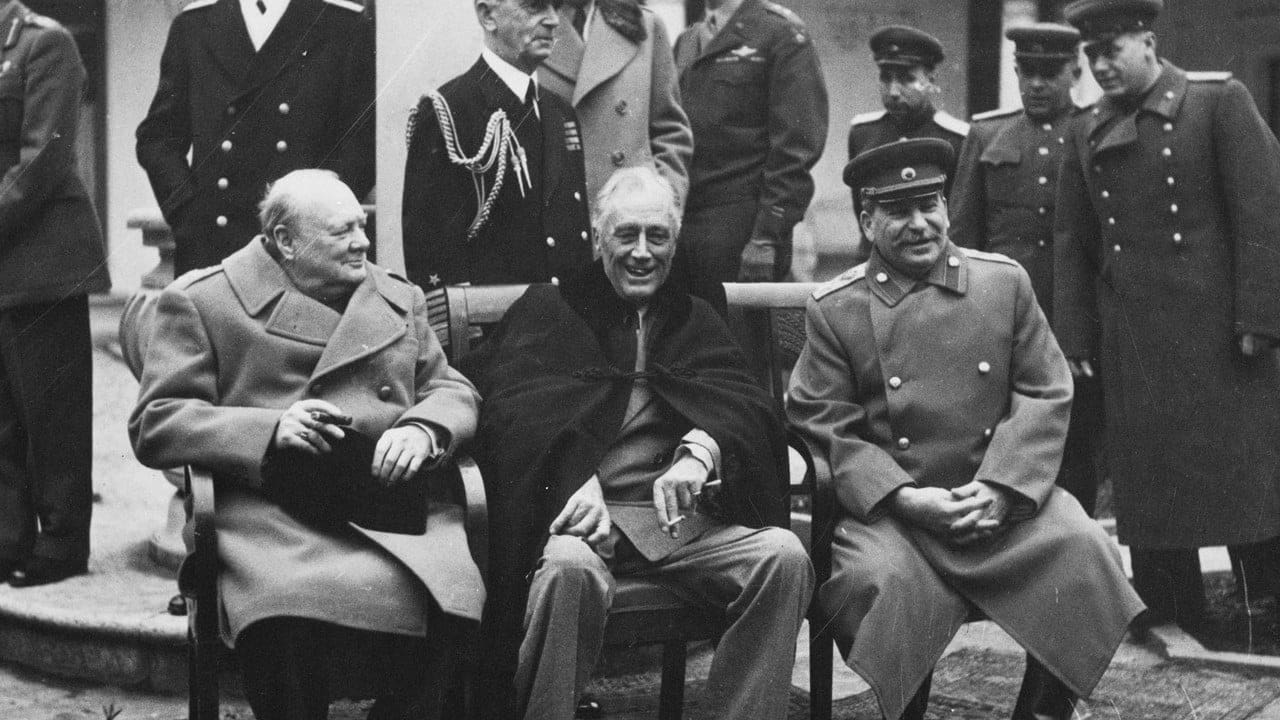
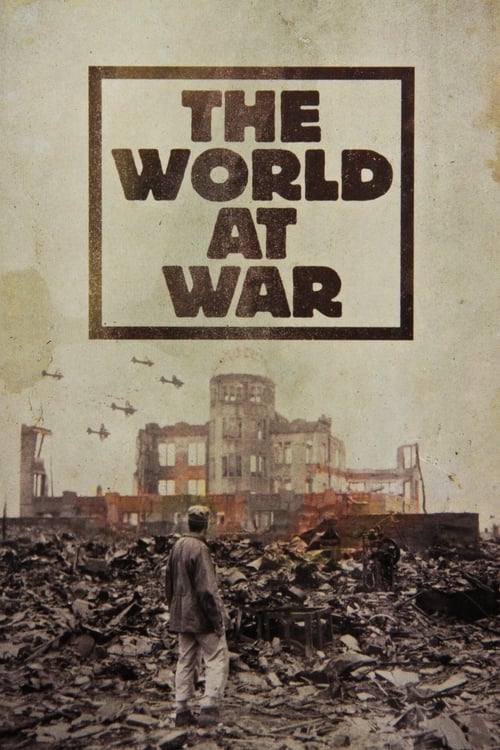
"The World at War" is a landmark documentary series that chronicles the sweeping history of World War II, tracing its origins back to the 1920s and exploring the far-reaching consequences that followed. Through powerful narratives and archival footage, the series delves into the complexities of the conflict, highlighting the experiences of those whose lives were irrevocably altered. With a blend of expert commentary and personal testimonies, it provides a comprehensive and poignant examination of one of history's most impactful periods, making it essential viewing for anyone interested in understanding the war's legacy.
Episodes
-
1
A New Germany (1933–1939)
In the wake of a devastating defeat and a relentless economic downturn, Germany seeks a beacon of hope and restoration. This beacon comes in the form ...
-
2

Distant War (September 1939–May 1940)
As the Nazi regime advances decisively through Eastern Europe, Britain experiences a deceptive tranquility. This period, known as the 'phoney' war, e...
-
3

France Falls (May–June 1940)
As World War II escalates, France realizes it is ill-equipped to face the advancements of modern combat, with the Nazi forces effortlessly bypassing ...
-
4
Alone (May 1940–May 1941)
In the wake of Dunkirk, Britain braces for the relentless German advance. While the Royal Air Force triumphs in the Battle of Britain, the nation end...
-
5

Barbarossa (June–December 1941)
With determination, Hitler directs his armored forces toward the Soviet Union. Following a series of crushing triumphs, the German advance slows, and...
-
6

Banzai! Japan (1931–1942)
Since 1931, Japan has been engaged in conflict on the Chinese mainland, anticipating swift triumphs against British and Dutch forces. However, the si...
-
7
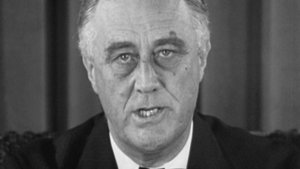
On Our Way: U.S.A. (1939–1942)
The nation is torn between the battles against Japan and Germany. In a surprising twist, Hitler escalates the conflict by formally declaring war on th...
-
8
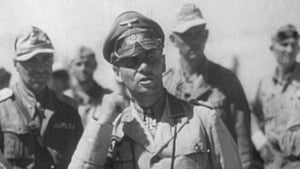
The Desert: North Africa (1940–1943)
Over a span of two years, the 8th Army and Rommel's Afrika Corps engage in intense clashes across the arid landscapes of North Africa. The relentless...
-
9

Stalingrad (June 1942-February 1943)
Fueled by initial victories in the Soviet Union, Hitler grows overconfident and sets his sights on Stalingrad. This pivotal confrontation stretches ov...
-
10
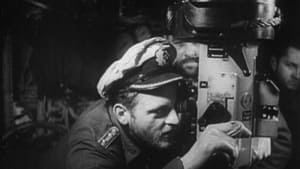
Wolfpack: U-Boats in the Atlantic (1939–1944)
Amidst a conflict defined by advanced technology and raw bravery, German U-Boats relentlessly pursue Allied shipping vessels, targeting them in coord...
-
11
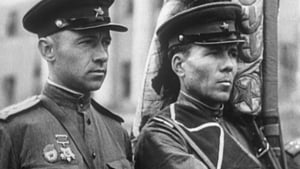
Red Star: The Soviet Union (1941–1943)
Over a span of two years, the Soviet Army stands resolutely against the German forces, largely fighting on their own. Following one of the most monum...
-
12
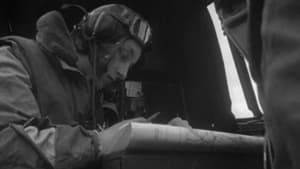
Whirlwind: Bombing Germany (September 1939–April 1944)
Under the cover of darkness, Bomber Command launches relentless nighttime assaults on German urban centers, while American forces amplify the offensi...
-
13

Tough Old Gut: Italy (November 1942-June 1944)
Winston Churchill referred to Italy as the 'soft underbelly of the crocodile', believing that the Allies could penetrate it and strike at Germany's c...
-
14
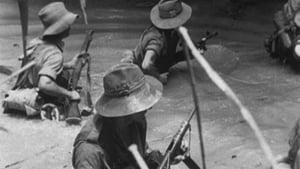
It's a Lovely Day Tomorrow: Burma (1942–1944)
While Vera Lynn crooned about a promising tomorrow, the reality in Burma was one of mud and relentless monsoon rains. Britain's largest army adapted ...
-
15
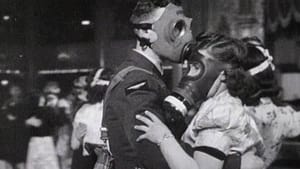
Home Fires: Britain (1940–1944)
Amidst the backdrop of World War II, Britain discovers resilience through community spirit. Citizens adapt to life with gas masks, rally behind Winst...
-
16
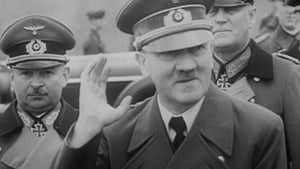
Inside the Reich: Germany (1940–1944)
Germany's early successes in Europe begin to unravel following the catastrophic defeat at Stalingrad. Despite this setback, the nation braces itself f...
-
17

Morning (June–August 1944)
The Western Allies make a decisive plan to launch an invasion of Europe. England transforms into a massive supply hub as British and American forces ...
-
18
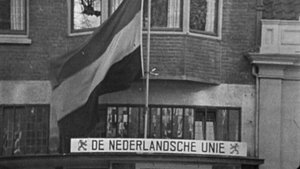
Occupation: Holland (1940–1944)
In 1940, Germany launches an unexpected assault on Holland, a neutral nation. Over the subsequent four years, daily life appears to proceed normally,...
-
19
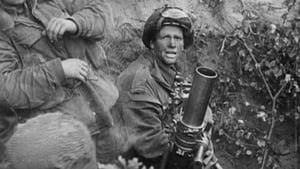
Pincers (August 1944–March 1945)
As the liberation of Paris in 1944 signals a potential end to the conflict, tensions rise between the British and Americans over their strategies for...
-
20
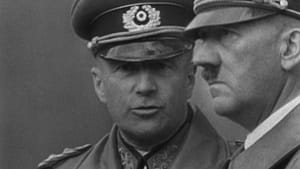
Genocide (1941–1945)
The Nazis espouse a racist ideology, claiming Aryans as a superior race while deeming other groups, especially Jews, as inferior. Under Heinrich Himml...
-
21
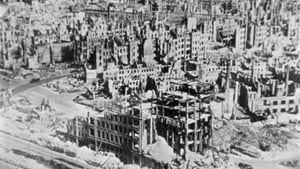
Nemesis (February–May 1945)
As Germany faces inevitable defeat, Hitler takes refuge in the Fuhrer bunker in Berlin, where he finds himself increasingly isolated as his top offic...
-
22
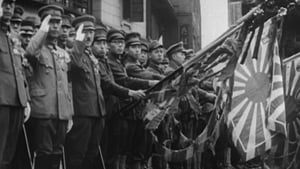
Japan (1941–1945)
At first, the Japanese population is filled with doubt regarding the decision to go to war. However, they swiftly shift to a mood of jubilation follo...
-
23

Pacific - The Island to Island War (February 1942–July 1945)
The United States embarks on a fierce campaign across the Pacific, targeting Japan and the Philippines. This grueling conflict stands out as one of t...
-
24
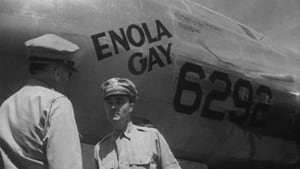
The Atomic Bomb (February–September 1945)
A group of Western scientists has successfully created a groundbreaking and devastating weapon—the atomic bomb. On August 6, 1945, the aircraft Enol...
-
25

Reckoning (April 1945)
As the conflict gradually winds down, the aftermath is both chaotic and poignant. Britain emerges triumphant but weary, grappling with the toll of wa...
-
26
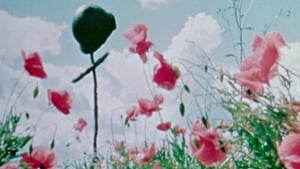
Remember
The Second World War stands as a pivotal event for countless individuals. This poignant episode features touching firsthand accounts from a diverse g...