Core Kyoto
Overview
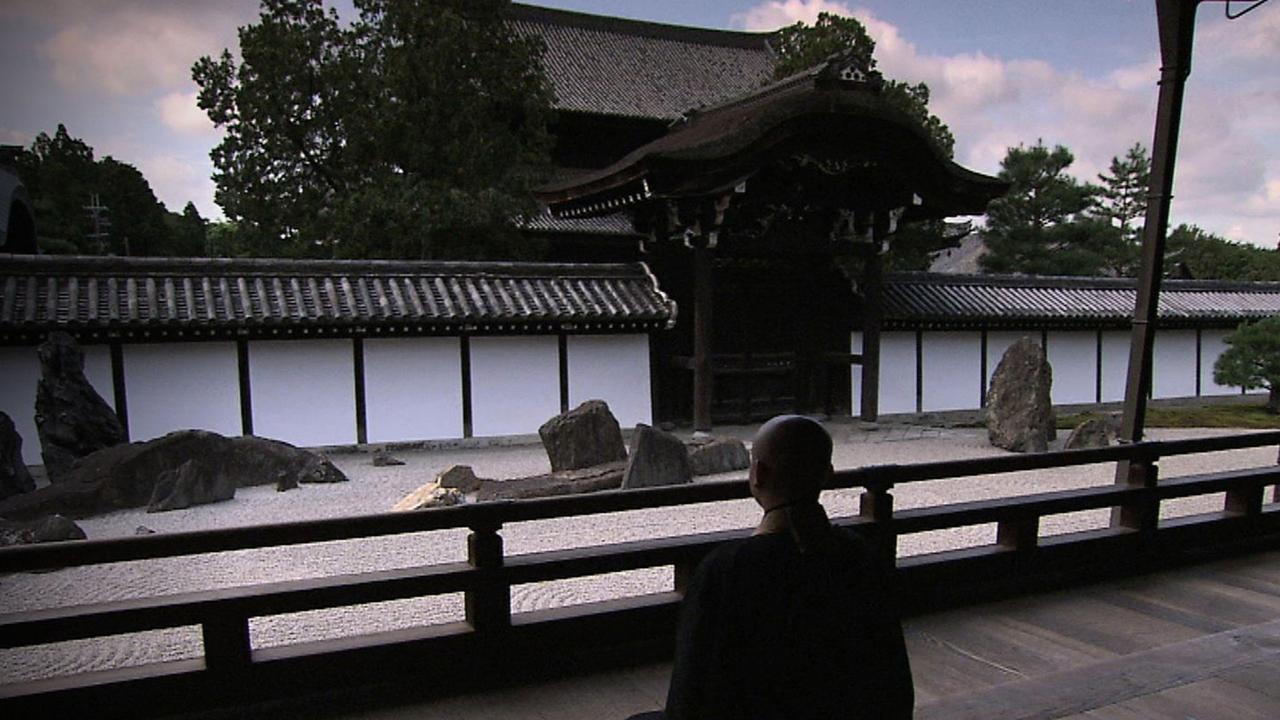
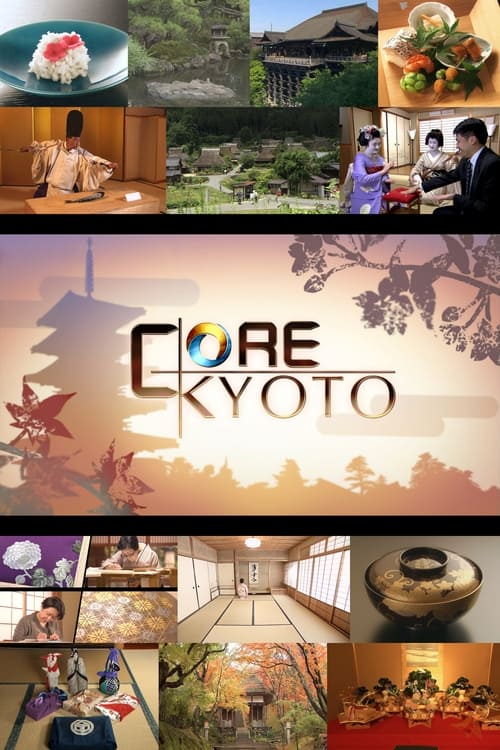
Core Kyoto explores the enduring spirit of Japan's historic capital, showcasing its vibrant blend of age-old customs and contemporary creativity. Set against a backdrop steeped in culture, the series captures the essence of a city that honors its past while embracing innovation. Viewers are invited to witness how Kyoto evolves, revealing the dynamic interplay between tradition and modernity that defines this remarkable destination. Each episode highlights the unique stories, art, and innovations that emerge from this iconic locale, making it a source of inspiration and a testament to resilience.
Episodes
-
11
Buddhist Architecture: Craftsmanship Unites Places of Worship
Kyoto, known for its numerous Buddhist head temples, has greatly influenced the historical landscape of this ancient capital, drawing in many visitors...
-
6

Kyoto's Cafe Culture: A Cup Full of Local Hospitality
The inaugural café in Kyoto debuted in 1930, sparking a vibrant coffee culture that quickly attracted local merchants eager to keep up with the lates...
-
5

Obi: Unbridled Beauty in a Knot
The obi sash is a vital component of the kimono. For over 120 years, one company has been crafting luxurious Nishijin-ori obi. A woman showcases the o...
-
17

The Cinema Capital: The Professionals Behind the Samurai Filming Industry
In Kyoto's charming historic streets and serene countryside, camera crews are a familiar sight. The city's cinematic journey began in 1897 with Japan'...
-
4

Kitayama Cedar: Lending a Quality of Polished Dignity and Beauty
The breathtaking expanse of tall, straight cedars in Kitayama, located in the northwest of Kyoto, is a stunning view. Kitayama cedar, distinguished by...
-
3
Celebrating the New Year: With Reverence and Gratitude
As mid-December arrives, the year-end festivities commence. Maiko and geiko honor their mentors, while markets buzz with the sale of seasonal decorati...
-
7
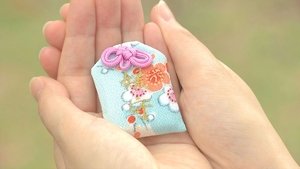
Kyoto Amulets: The Embodiment of Prayers for Happiness
Kyoto is home to numerous Buddhist temples and Shinto shrines, each providing amulets for various blessings like health, longevity, safety, and smooth...
-
8
Fudo Myo-o: The Enduring Power of a Wrathful Deity
With flames flickering in the background, intense eyes and a fierce demeanor characterize the statues of Fudo Myo-o, who wields a sword and lasso, bot...
-
10

Vogue Kimono: Fashion in Evolution
Innovative designers and kimono enthusiasts are igniting a revolution in kimono fashion through their creativity. They blend international styles with...
-
13
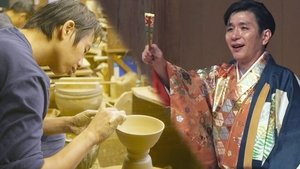
Conversations: A Potter and a Kyogen Actor
Matsubayashi Hosai, a skilled potter, and Shigeyama Sennojo, a comic actor, engage in a thoughtful conversation about the significance of upholding tr...
-
14

Miyamoto Musashi: Sword Mastery in the Ancient Capital
Miyamoto Musashi's name is often linked with the essence of the samurai, thanks to novels and films. This legendary 17th-century swordsman, renowned f...
-
9
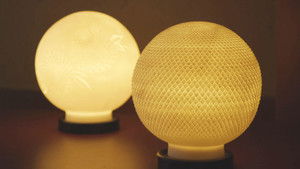
Higashiyama Potters: Creativity in Clay Connects the Ages
The eastern mountains were once home to numerous climbing kilns, drawing in countless potters. Kyo-yaki pottery developed in a variety of forms, servi...
-
13
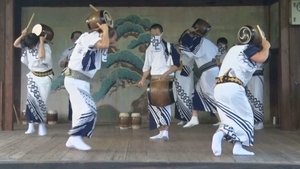
Taiko Drums: The Pulsing Heartbeat of Life
Taiko drums have served as a bridge to the divine since ancient times, inspiring vibrant performances and fostering community connections. The Wachida...
-
14

Calligraphy for the Times: The Resonating Power of Ink
Delving into the boundless universe, kanji characters are gracefully brushed in varying ink tones. Amidst these symbols on the canvas, humanized creat...
-
1
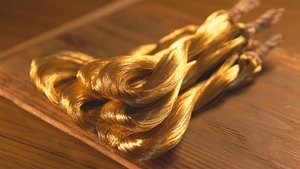
Woven Gold and Silver: A World of Shimmering Patterns
Gold and silver threads, crafted by applying gold and silver leaf to washi paper, are essential to Nishijin brocade. Their luxurious look has made the...
-
2

Conversations: A Living Museum of Modern Architecture
Following the relocation of the capital to Tokyo in the late 19th century, the residents of Kyoto eagerly embraced modernization. Numerous structures ...
-
3
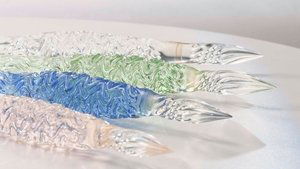
Writing Implements: Modern Elegance in Traditional Stationery
In the ancient capital, the aristocracy, samurai, and elite citizens greatly valued elegantly crafted writing tools, reflecting their intellect and re...
-
5
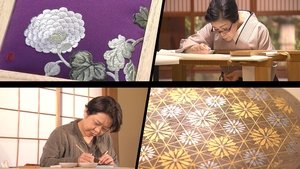
Conversations: The Power of Women in Decorative Arts
Nagakusa Sumie grew up in Nishijin, a renowned textile region, where her parents-in-law imparted their knowledge of embroidering intricate kimono desi...
-
6
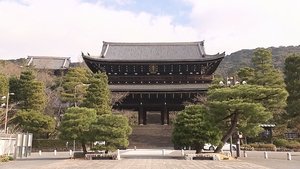
Gateways: Sacred Demarcations that Repel Evil
Gates provide entry through walls, fences, and hedges that distinguish private properties from the outside world. Whether at temples, castles, or home...
-
7
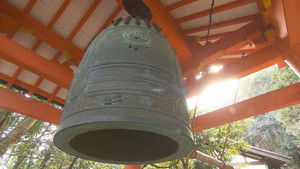
Buddhist Bells of Prayer: A Universe of Sound Cleanses the Heart
The sound and resonance of Buddhist bells are influenced by their design, thickness, and the metals they're made from. When the ancient capital was fo...
-
8

Conversations: Learning Aesthetics from the Ancients
Everett Kennedy Brown, an American photographer who has called Kyoto home for over three decades, has journeyed through more than 50 countries as a ph...
-
9
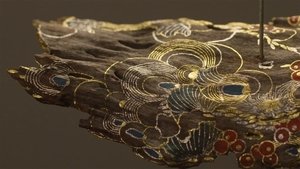
Old Building Materials: The Ancient Capital's Culture of Recycling
Kyoto is home to numerous shrines, temples, and traditional buildings, leading to a deep appreciation for historical materials over the years. Followi...
-
10

Dried Foods: Ancient Wisdom Gracing Kyoto Tables
Dried foods emerged as a practical method for transporting fresh produce to the ancient capital, enhancing both their longevity and flavor, along with...
-
11

Art Frontier: Creators Forge New Paths into the Future
Artists in Kyoto are exploring innovative art forms rooted in the rich traditions of the ancient capital. One creator utilizes a high-speed camera to ...
-
12
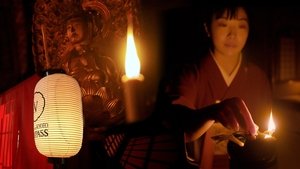
The Lights of Kyoto: Illuminating and Soothing People's Hearts
In the ancient capital, candles have always held a special significance in the numerous shrines and temples, cherished not only for their ability to d...
-
13
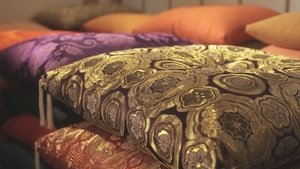
Shikimono: The Culture of Living on the Floor
Tatami, cushions, and futon—known as Shikimono—originated in the imperial palace, shrines, and temples, tailored for the Japanese practice of sitt...
-
14
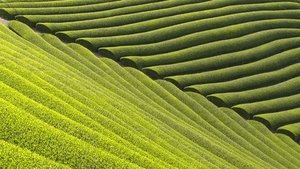
Wazuka Tea: A Vibrant Village of Fragrant Fields
Wazuka, located in southern Kyoto Prefecture, has gained attention for its exceptional tea leaves. The town is responsible for about 40 percent of the...
-
15

The Beauty in Copying: An Art Form of Aspirations
In Kyoto, the age-old practice of replication has developed over many years, particularly through woodblock prints and artwork reproductions. A monk f...
-
16

Conversations: The Colors of Kyoto
Shimura Shoji, a textile maker, utilizes ancient natural pigments to dye threads for kimonos and various products. Alongside his mother and grandmothe...
-
17

Ornamental Metalwork: Magnificent Mastery Transcends Generations
In the ancient capital, ornamental metalwork flourished under the support of the imperial court and religious establishments. Skilled artisans shaped ...
-
18

Men's Kimono: The Beauty of Dressing with Flair
Kimonos are traditionally associated with formal occasions and cultural activities, yet their popularity among men has dwindled. To combat this declin...
-
19
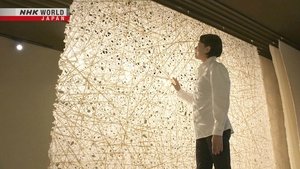
New Directions for Washi: The Sustainable, Elegant Use of Paper
A washi designer creatively merges large sheets of washi with lighting to breathe life into expansive architectural environments. Stoles crafted from ...
-
20
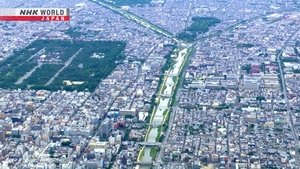
Kamo River: The Flow of Life and Culture in the Ancient Capital
The Kamo River stretches 23 kilometers from north to south through the heart of the city. In ancient times, emperors would purify themselves in its wa...
-
21
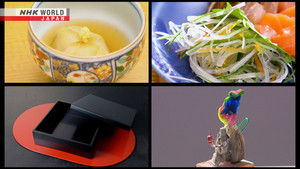
The Spirit of Frugality: Modern Ingenuity and Age-Old Wisdom
Kyoto, with its rich history, is celebrated for its elegance and beauty. However, the merchant and lower classes practiced frugality, skillfully maxim...
-
22
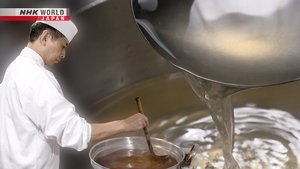
Dashi Stock: Savory Umami for Exquisite Cuisine
In 2013, when Washoku, or Japanese cuisine, was recognized as a UNESCO Intangible Cultural Heritage, the concept of umami gained international attenti...
-
23

The Dragon: Deity of Water, Protector of the Capital
The concept of mythical, spiritual dragons was brought over from mainland Asia and varies between Shinto and Buddhism. The blue dragon, representing w...
-
1
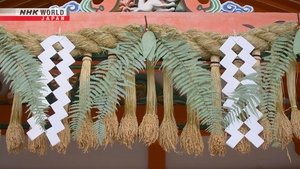
Rice Straw: Beauty Within the Prayers of Daily Life
In November, Fushimi Inari Taisha celebrates a festival that honors a bountiful harvest by burning rice straw as an expression of gratitude. This stra...
-
2
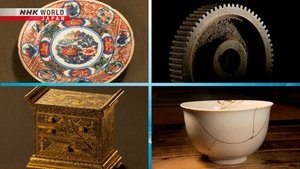
Antiques: Beauty Engendered by the Passage of Time
Kyoto's lifestyle has been shaped by a deep-rooted appreciation for frugality and valuing possessions, evident in its numerous shops filled with curio...
-
3
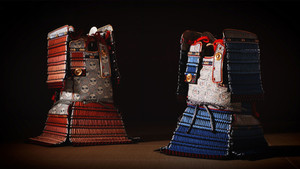
Samurai Armor: The Dignified Aesthetics of the Warrior Class
During the 10th century, samurai tasked with protecting the emperor and nobility donned vibrant armor that mirrored the beauty of the capital. Elite s...
-
4
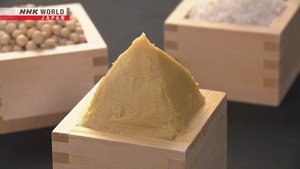
Miso: Fermentation, the Taste of Kyoto
The process of fermenting soybeans with Koji mold and salt results in the creation of miso. Its flavor profile is influenced by the local climate. In ...
-
5
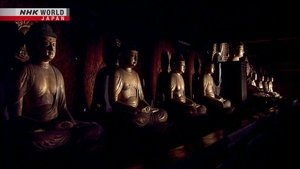
Minamiyamashiro: The Buddhist Treasures of a Remote Region
Minamiyamashiro, located at the southern tip of Kyoto Prefecture, was historically a key transportation center, leading to the establishment of numero...
-
6

Rethinking Buddhism: Uniting Modern Society with Compassion
Kyoto has long been a center of Buddhism, boasting more than 1,600 temples within its boundaries. However, as the population shrinks and younger gener...
-
7
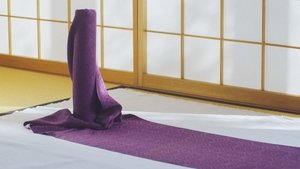
Phantom Dyeing: Ancient Colors of Prayer Revived
Twelve centuries ago, courtiers in Heian Japan adorned themselves in robes dyed with medicinal herbs, creating colors associated with prayers for peac...
-
8
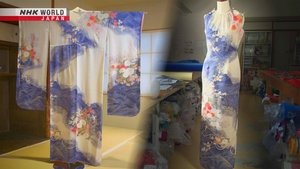
Reusing and Upcycling: Tradition Bolsters the Power of Recreation
Upcycling involves transforming discarded or unwanted materials into new products that hold greater value than the originals. In this initiative, unus...
-
9
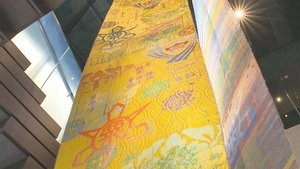
Sustainable Initiatives: Nishijin Weavers Embrace the Times
Carbon- and glass-fiber textiles offer exciting possibilities for a sustainable future. Textile art showcases exquisite expressions that resemble pain...
-
10
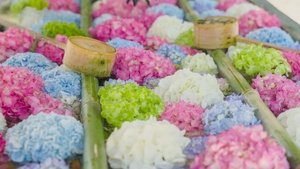
Flower Art: Ephemeral Colors for the Mind and Soul
In Kyoto, the blossoming flowers beautifully illustrate the evolving essence of nature. The locals cherish them as representations of both nature and ...
-
11
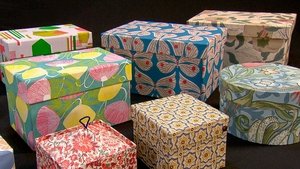
The Beauty in Boxes: Containers to Hold and Express Sentiments
In Kyoto, boxes are more than just simple containers made of wood, paper, or other materials; they embody a sense of dignity and elevate the value of ...
-
12
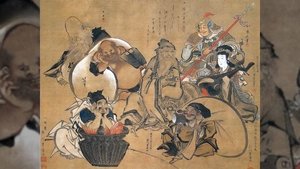
Seven Lucky Gods: Blessings of Fortune and Happiness for All
The Seven Lucky Gods, originating from the deities of Japan, China, and India, are often illustrated sailing on a treasure ship. This tradition is lin...
-
13
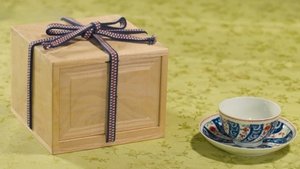
Made to Order: A Bespoke Culture Fostered on Customer Bonds
Kyoto is renowned for its tradition of custom-made goods, but it involves more than just making a purchase. As Japan's historical capital, the city ha...
-
14
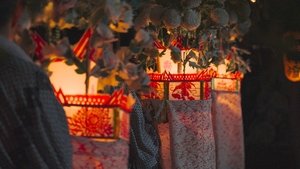
Kuta Hanagasa Dance: The Solid Bonds of a Rural Community
In 2022, UNESCO recognized forty-one traditional folk dances from Japan as part of its Intangible Cultural Heritage of Humanity. Among them is the Kut...
-
15
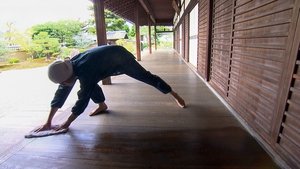
The Power of Cleaning: Daily Habits for the Heart and Soul
Kyoto’s skyline is beautifully adorned with ancient Buddhist temples, charming Machiya townhouses, and traditional Ryokan inns. While cleaning is cr...
-
16

Crawling Through Mud: Avant-Garde Ceramicists Break With Tradition
Since the 17th century, Kyoto has been a vibrant hub for pottery production. In the aftermath of World War II, a group of young men from pottery famil...
-
17
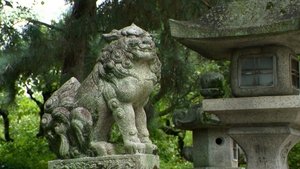
Stonework: Masons Shape a Solid City Presence
As you stroll through the streets of Kyoto, stone becomes a prominent aspect of the landscape, evident in the pavements, staircases, and various relig...
-
2
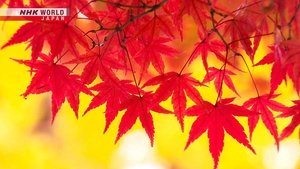
Fall in Saga-Arashiyama: The Beauty and Colors of Change
This legendary spot in Kyoto, cherished for a thousand years, boasts an ideal climate and landscape for experiencing stunning autumn colors. While som...